Introduction
Dalí/Horst. Crossed gazes
In the late nineteen thirties, Salvador Dalí and Vogue photographer Horst P. Horst shared locations, friends and mutual confidences. In Paris, they interacted with artists, couturiers, designers, architects and intellectuals who had a decisive impact on their respective careers and inspired them to create their own language.
The exhibition invites us to explore the gaze of two creative talents who have left an indelible mark on the collective imagination and continue, even today, to influence the worlds of fashion and art.
On the one hand, the show presents the editorial and artistic projects on which they collaborated over the course of a decade. In these joint initiatives, artist and photographer transform the action of looking into a deliberate and poetic creative act, in which a fascination with the classical heritage often serves as a backdrop. On the other hand, Horst’s portraits and contact prints, together with pieces from Gala and Dalí’s fashion archive, allow us to discover the essential elements that intervene in the staging of the viewer, but also of the viewed.
Artwork
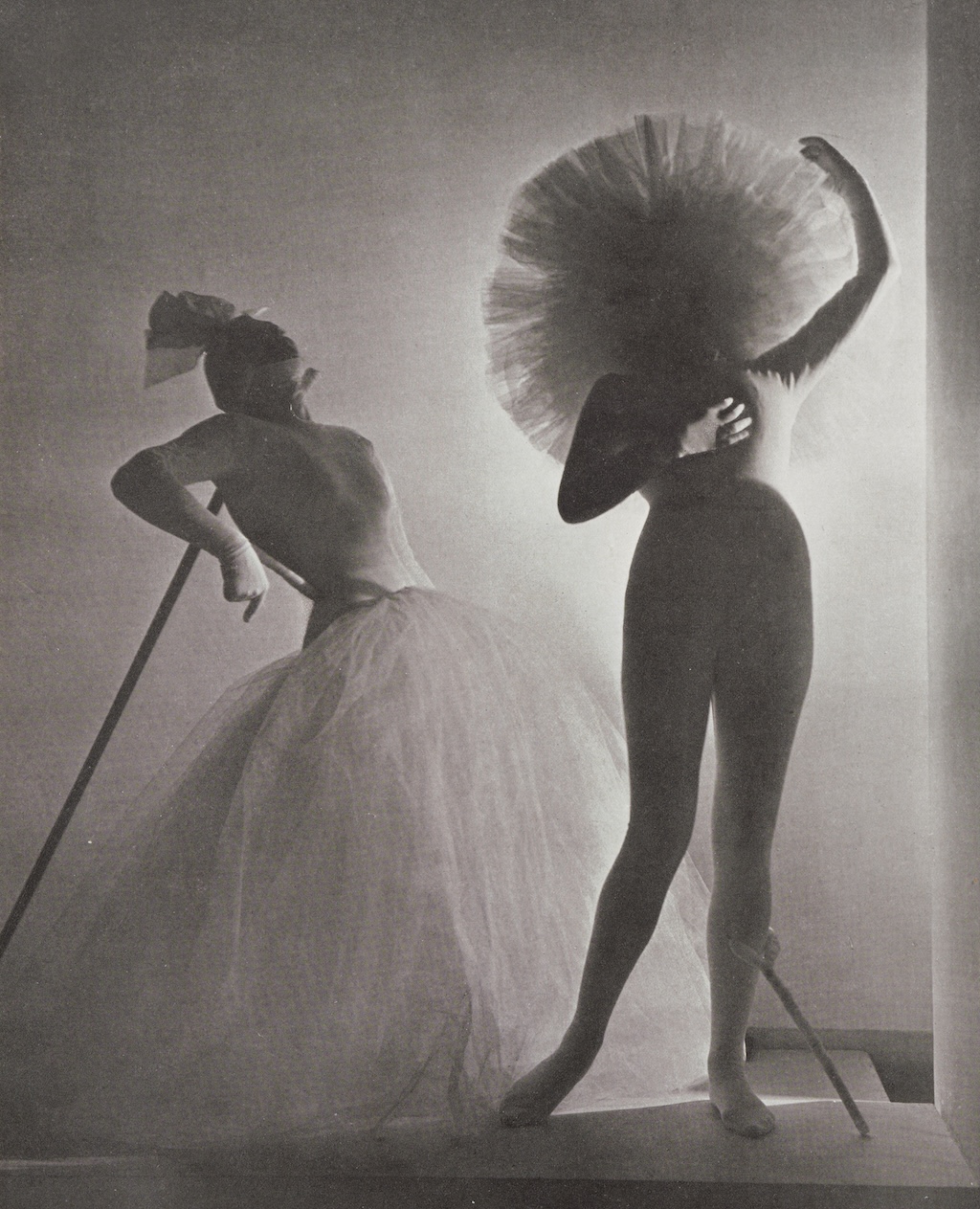
Horst’s photographic gaze
A selection of works allows us to delve deeper into the visual universe of Horst P. Horst, through photographs, editorial projects and materials linked to fashion. The presence of Salvador Dalí is manifested as context, influence and creative complicity, reinforcing a deliberate and poetic conception of the act of looking.
On Beauty
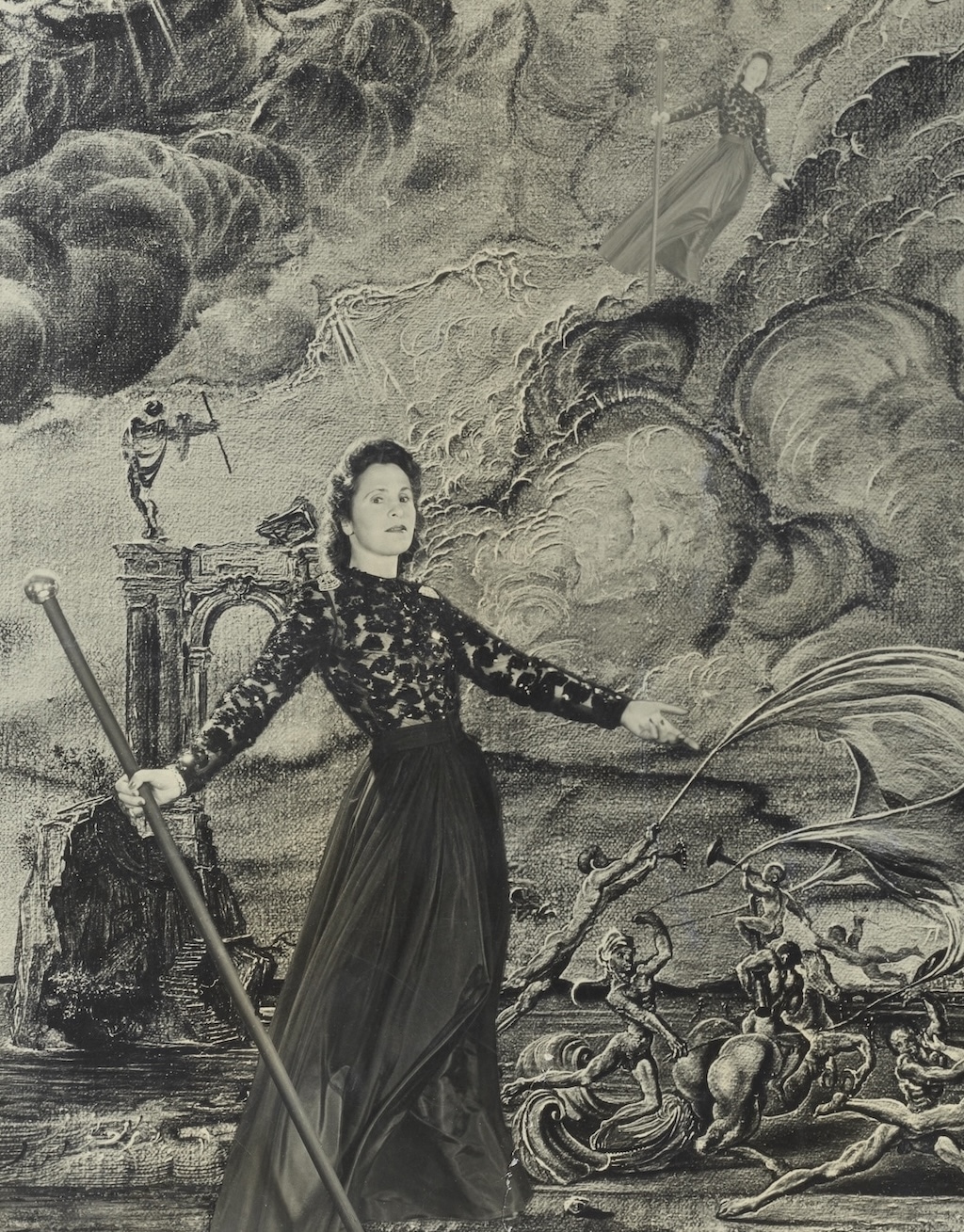
Idealization, Transgression, and Staging
Beauty becomes an object of reflection in this creative dialogue between artist and photographer, set against a shared fascination with the classical ideal of beauty. This ideal, which functions both as a language and a refuge, is also revisited, questioned, and put under tension.
Chronology
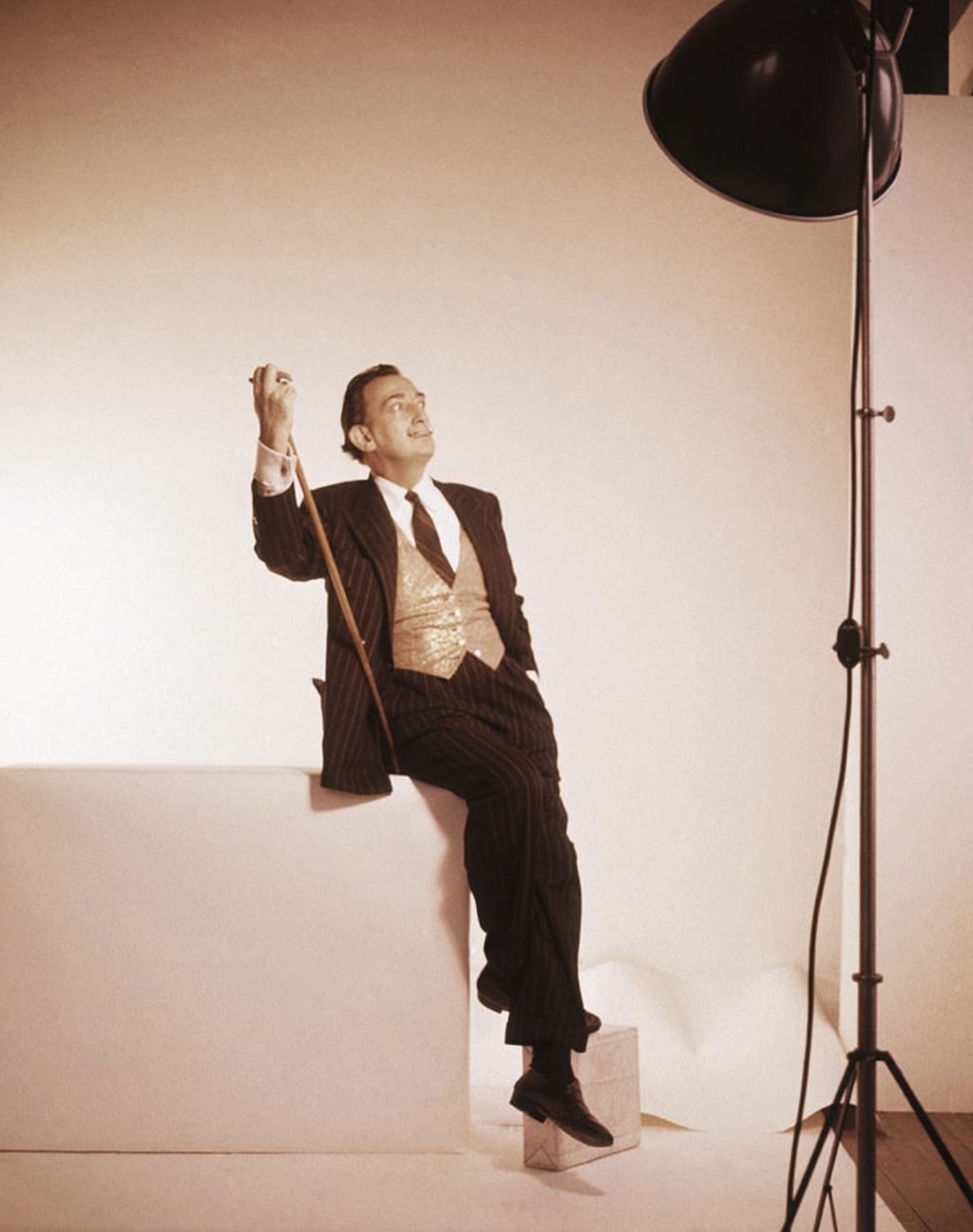
Shared contexts and parallel trajectories
The chronology places Salvador Dalí and Horst P. Horst in their historical and creative context. The time journey allows us to understand the key moments of their careers, the points of contact and divergences, and how the passage of time, experiences and environments shaped their views.
HORST P. HORST
Horst P. Horst is regarded as one of the great figures of 20th-century fashion photography. Iconic images such as ‘The Mainbocher Corset’ (1939) and the costume designs by Salvador Dalí and Coco Chanel for the ballet Bacchanal (1939), as well as unforgettable portraits of artists, fashion designers, socialites and celebrities of all kinds, are part of the collective imagination and made a decisive and defining contribution to the aesthetics of fashion and photographic portraiture of their time.
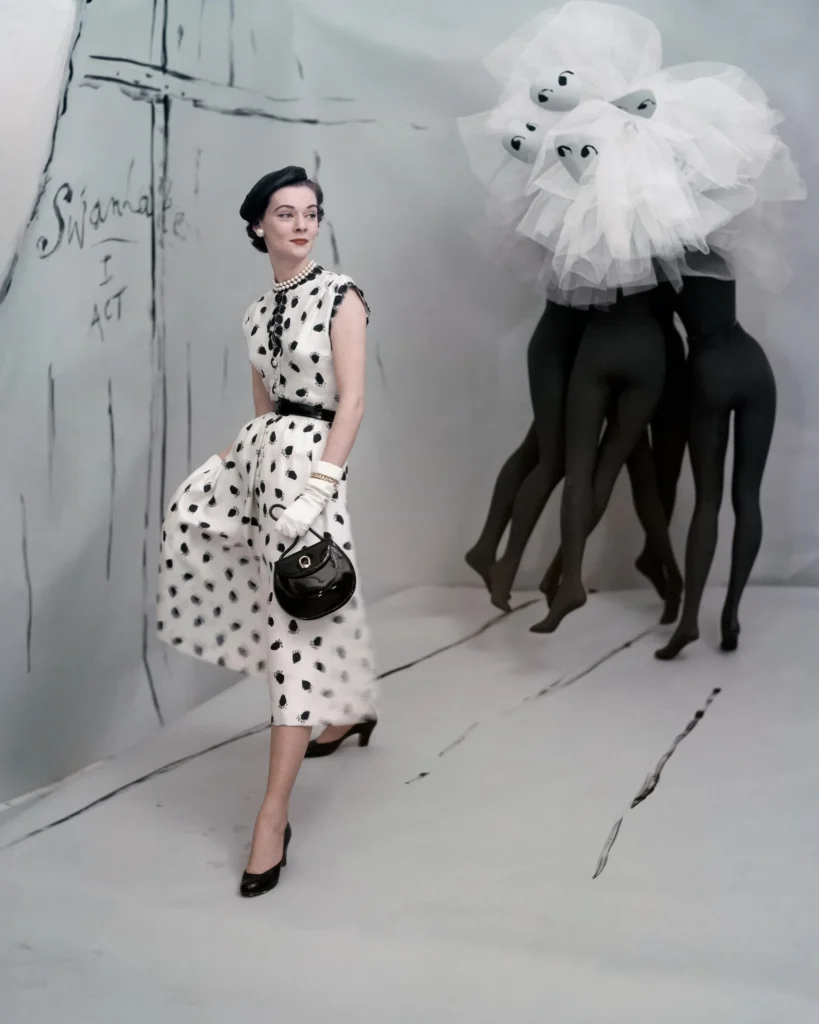
«Horst could take the most beautiful, romantic images of a woman. Hoyningen-Huene made stronger ones, Avedon and I stranger ones, but his was always loving and respectful»
IRVING PENN, photographer